Robot dogs, complete with the face of Elon Musk, have been roaming the streets of San Francisco. They are now on display in a digital arts center in Palo Alto.
These AI generated 3d models from a few images are not very good. As I said the renders look kinda ok. But you pull up the actual mesh and they are garbage.
Do do a legit good scam you have to take a ton of photos from multiple heights , 360 degrees. And make sure the lighting is good and there is a solid back drop so the software can tell what to model.
Here is an example of what I mean. It’s called photogrammetry.
I think that the technology may have evolved a lot since the early days of photogrammetry, or perhaps making a 3D model of a face is easier than a large object like in your example. Also, how do you suppose they got 3D scans of Picasso’s and Warhol’s faces for those perfect, life-like rubber faces on that video? They were both dead decades before the development of 3D scanning and photogrammetry.
Finally, here are some examples of photo to 3D model applications that appear to only need one photo:
The only half ass decent ai ones are ones that are basically copies of other 3d designs made from humans to the point you can barely tell them apart. Cause it’s just a copy.
These ads for ai 3d models are false.
They are poor.
So part of making 3d model assets is that the mesh is wrapped in a map.
Think of a globe wrapped in paper of a map of the earth.
Doing this allows for a much lower mesh triangle. Lower poly. But it can give the impression it’s higher because the wrap is from actual images and is upscaled.
So render images look high quality but the actually aren’t. It’s the wrap.
Here is an example. You 3d scan a chocolate Santa. In foil. All the little wrinkles in the foil and details look like they were captured. But it’s not actually true. The wrap makes it look like it’s a high quality mesh. But it’s just a blob shape. It doesn’t actually contain wrinkles or texture.
It’s all just the wrap. This sort of process is great for making digital assets. It makes low poly realistic items. But it’s garbage for making 3d prints.
I’m going to reply to this with another image that shows this in relation to 3d printing.


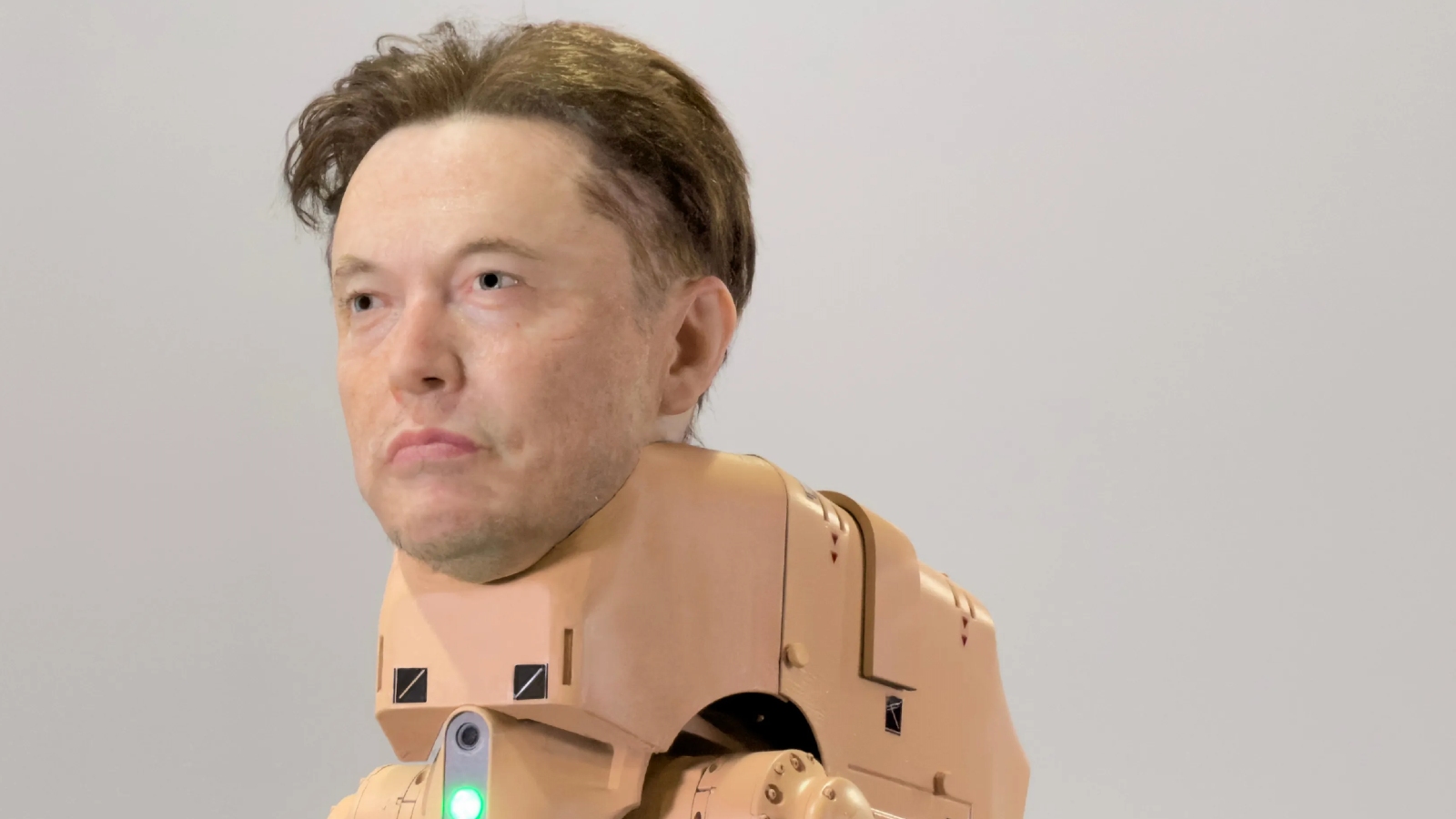
You can generate a 3D image of a head with enough pictures of that stupid head.
These AI generated 3d models from a few images are not very good. As I said the renders look kinda ok. But you pull up the actual mesh and they are garbage.
Do do a legit good scam you have to take a ton of photos from multiple heights , 360 degrees. And make sure the lighting is good and there is a solid back drop so the software can tell what to model.
Here is an example of what I mean. It’s called photogrammetry.
I think that the technology may have evolved a lot since the early days of photogrammetry, or perhaps making a 3D model of a face is easier than a large object like in your example. Also, how do you suppose they got 3D scans of Picasso’s and Warhol’s faces for those perfect, life-like rubber faces on that video? They were both dead decades before the development of 3D scanning and photogrammetry.
Finally, here are some examples of photo to 3D model applications that appear to only need one photo:
They actually are. You can iteratively correct them.
They really aren’t. I actually make 3d models.
The only half ass decent ai ones are ones that are basically copies of other 3d designs made from humans to the point you can barely tell them apart. Cause it’s just a copy.
These ads for ai 3d models are false.
They are poor.
So part of making 3d model assets is that the mesh is wrapped in a map.
Think of a globe wrapped in paper of a map of the earth.
Doing this allows for a much lower mesh triangle. Lower poly. But it can give the impression it’s higher because the wrap is from actual images and is upscaled.
So render images look high quality but the actually aren’t. It’s the wrap.
Here is an example. You 3d scan a chocolate Santa. In foil. All the little wrinkles in the foil and details look like they were captured. But it’s not actually true. The wrap makes it look like it’s a high quality mesh. But it’s just a blob shape. It doesn’t actually contain wrinkles or texture.
It’s all just the wrap. This sort of process is great for making digital assets. It makes low poly realistic items. But it’s garbage for making 3d prints.
I’m going to reply to this with another image that shows this in relation to 3d printing.
Here is a phot of the ai 3d render which looks realistic.
To the 3d print model. Which shows most details are missing. Almost like it was clay and smoothed out.
The details are only there from the uv map wrap.
They aren’t actually on the model mesh.
There are other rendering tricks you can do to make textures in wraps look “3d” . But it’s not really 3d. It’s flat surface wraps.
Another.