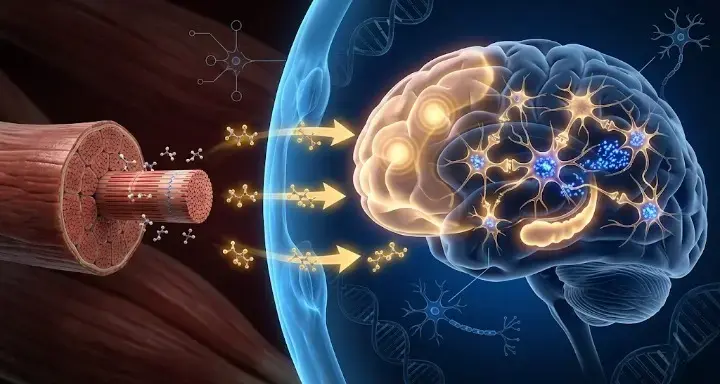
Tens of millions of people take creatine every day for their muscles. A comprehensive review and a landmark clinical trial published in 2025 and 2026 have now documented what the same supplement is quietly doing to their brains. Creatine crosses the blood-brain barrier, raises phosphocreatine levels in neurons, and provides the ATP buffer that keeps cognitive performance from hitting an energy ceiling during demanding mental work. In early Alzheimer's patients, it slowed cognitive decline by approximately 30% versus placebo in a controlled trial. In healthy adults under sleep deprivation, a single dose measurably improved cognitive performance. In depression patients, adding it to cognitive behavioral therapy significantly improved outcomes beyond therapy alone. None of this is mentioned on the label.
A few things I can say, and am happy to have replies which expand or limit or clarify what I’ve said:
Generally speaking raising brain creatine phosphate levels comes secondary to raising muscle phosphocreatine. It has been suggested that daily 3-5g dose of creatine monohydrate will overtime, and with vigorous exercise upregulate creatine phosphate pathways in muscle, but is unlikely to raise phophocreatine levels and/or pathways inside the blood brain barrier. There appears to be no adverse effects to moderate supplementation on the kidneys in individuals without kidney (eGFR) disease. Hmm, what might one consider a moderate dose? 3-5g/d would be considered moderate amongst experts and informed individuals. Some experts might say taking 10-20g / d, in divided doses is currently considered moderate, and may be sufficient to raise phosphocreatine levels in the brain. Creatine tends to be low amongst vegans. Chicken eggs are relatively high in creatine.

A few things I can say, and am happy to have replies which expand or limit or clarify what I’ve said:
Generally speaking raising brain creatine phosphate levels comes secondary to raising muscle phosphocreatine. It has been suggested that daily 3-5g dose of creatine monohydrate will overtime, and with vigorous exercise upregulate creatine phosphate pathways in muscle, but is unlikely to raise phophocreatine levels and/or pathways inside the blood brain barrier. There appears to be no adverse effects to moderate supplementation on the kidneys in individuals without kidney (eGFR) disease. Hmm, what might one consider a moderate dose? 3-5g/d would be considered moderate amongst experts and informed individuals. Some experts might say taking 10-20g / d, in divided doses is currently considered moderate, and may be sufficient to raise phosphocreatine levels in the brain. Creatine tends to be low amongst vegans. Chicken eggs are relatively high in creatine.