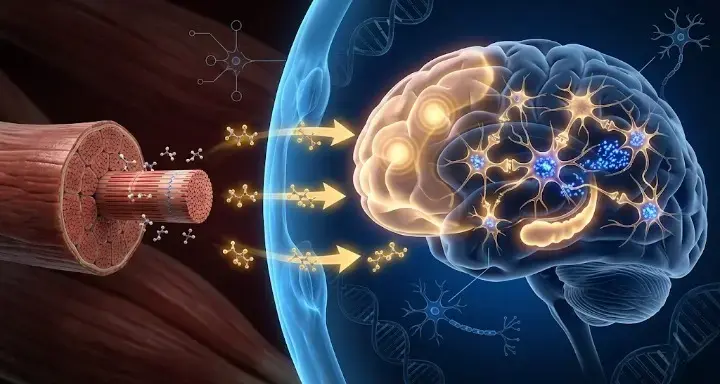
Tens of millions of people take creatine every day for their muscles. A comprehensive review and a landmark clinical trial published in 2025 and 2026 have now documented what the same supplement is quietly doing to their brains. Creatine crosses the blood-brain barrier, raises phosphocreatine levels in neurons, and provides the ATP buffer that keeps cognitive performance from hitting an energy ceiling during demanding mental work. In early Alzheimer's patients, it slowed cognitive decline by approximately 30% versus placebo in a controlled trial. In healthy adults under sleep deprivation, a single dose measurably improved cognitive performance. In depression patients, adding it to cognitive behavioral therapy significantly improved outcomes beyond therapy alone. None of this is mentioned on the label.
The first study cited in the article, a meta study in cognition, alzheimer’s, sleep deprivation, traumatic brain injury, and depression notes:
DC has conducted industry-sponsored research involving creatine supplementation and received creatine donations for scientific studies and travel support and speaking honoraria for presentations involving creatine supplementation at scientific conferences and on social media. In addition, DC serves on the Scientific Advisory Board for Alzchem and Create (companies that manufacture creatine products) and as an expert witness/consultant in legal cases involving creatine supplementation. NF declares no conflicts of interest

The first study cited in the article, a meta study in cognition, alzheimer’s, sleep deprivation, traumatic brain injury, and depression notes: