

- cross-posted to:
- [email protected]
- cross-posted to:
- [email protected]
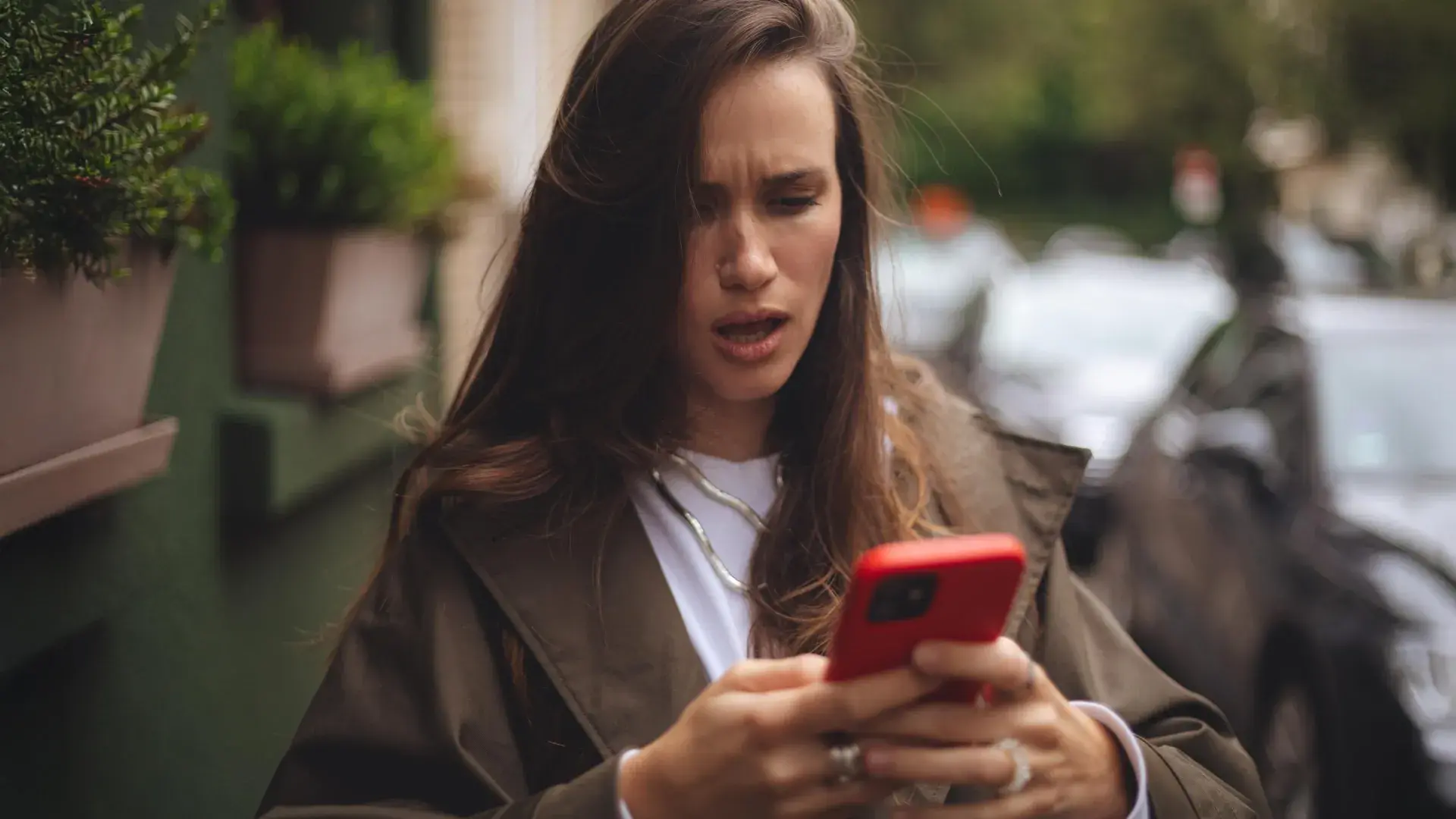
Humans evolved to pay close attention to danger, but today that instinct is being overwhelmed by an endless supply of bad news from around the world. Researchers say the answer isn’t to stop following current events—it’s to build healthier habits around how, when, and where we get our news.
I think the bigger issue is actually more on the positive side than the negative. In a social media world, it is hard to gain esteem from realistically achievable effort.
I’ll use my hobby, woodworking, as an example. I’m a hobbiest woodworker. I’m a far better woodworker than all of my family and all except maybe one or two of my friends. But then again, all the others don’t do it as a hobby. They have their own pursuits that I can’t begin to match their skill in. I can show my works to those in my immediate circle and receive genuine admiration and praise for a job well done. My work is legitimately impressive to those around me.
But on social media? Suddenly I’m comparing myself to people who have done this all day everyday for 30 years as their profession. Or I’m comparing myself to people who present a very curated version of their work. I can’t do this full time. I have a day job. I will never be as good at this as someone who spent decades doing this and nothing but this. And if I compare myself to people like that, then it will make my own work feel less valuable.
We weren’t meant to compare ourselves to the most skilled people on Earth at every single activity and craft. We’re meant to produce things and to make things and do things that are legitimately impressive to those around us, but are still achievable with realistic effort. You shouldn’t have to spend decades doing something before you can achieve even a modicum of social esteem. That’s not how humans are evolved to exist. We’re met to live in and seek to impress relatively small groups of people.