

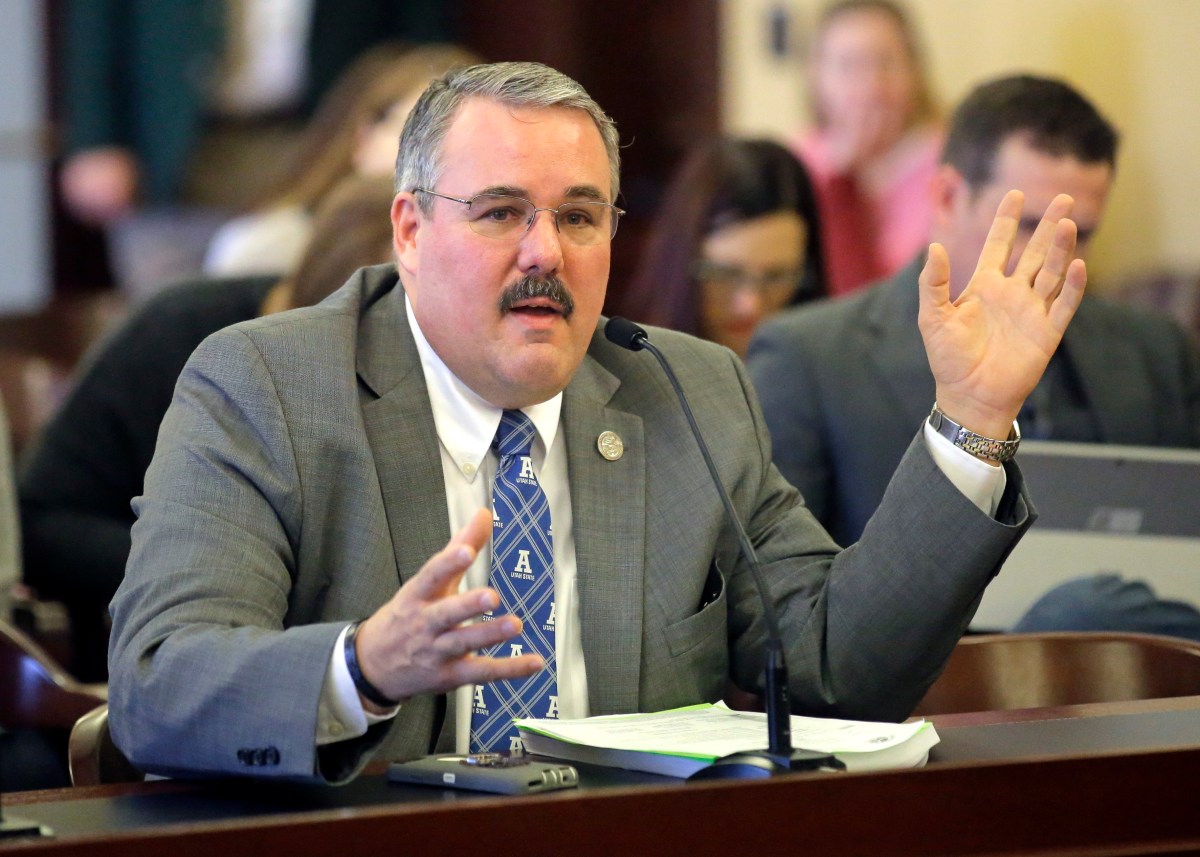
In Utah on Wednesday, State Senate President J. Stuart Adams—one of the most powerful Republicans in the state—lost his primary election after supporting a major data center development near the Great Salt Lake, in one of the clearest signs yet of the growing political risks tied to the industry.
Is this a uniquely American situation or are other major players building out AI infrastructure facing hash backlash? Like is there big issues around data centers in the UK, Israel, China, or India as well?
The data centers in the US are going up at such a speed that there is little to no public feedback allowed on any proposals. Once built the data center only provides a single digit number of jobs while raising the price of electricity in the region (typically by a very significant increase) and creating a low level audio hum that is below human hearing but still causes physiological effects.
The end result is American data centers ignore the public, cost them more money, provides no benefit, and physically hurts the community while operational. Most European data centers have to contend with build codes and councils, paying specific attention to community impact. Not in America. They just go up and make everything else cost more.
That’s a fair take. Any similarity or difference to the US’s primary AI competitor (China)? I’ve seen the EU is now concerned by the US lead on AI and may possibly slide on regulations a little to play catch-up but that’s yet to be seen.
America also seems to be placing these based on local tax situations, not local resources or community impact. Since China is more centrallized, I’d imagine they place them with a different strategy.
Of course both nations have immanent domain, it’s a bit more difficult to justify its use in the US from my understanding. In China aren’t companies ultimately controlled or owned by the government? So if the government feels it’s of a national benefit or security I don’t think there would be as much in the way.
There’s a fight against them up here in Canada, but the US really is trying to speed run the heat death of the world
I’m mostly curious about the two primary players in the AI race, that being the US and China. I’m assuming there’s equivalent backlash or decreased backlash due to better regulations in Canada / UK / EU / Australia. Things seem unusually quiet about news of China building out their data centers or backlash by their citizens about it.
Control the media.
Suppress any mention of new datacenters.
No backlash.
Its just a more developed problem in the U. S. Because the industry is bigger and further along. Its coming everywhere (barring a pop).
I also feel like we might not be hearing the whole situation from other countries with tighter media regulations.
“Hash backlash” is a great tagline for people disliking datacenters. Too bad they’re not actually doing any cryptography lol