

Agent_Karyo
MJ12 Detachment Agent
- 86 Posts
- 48 Comments


 4·24 days ago
Sounds cool enough, although the reviews suggest gameplay is middling which is OK as long as it’s got other good/unique things.
I don’t mind walking simulators if they are done well have something to offer in terms the overall package. I actually played Soma with a mod, I didn’t find the bosses to be scary, just a bit tedious, so I disabled them, they just walk around, it’s actually a bit unnerving.
That being said, I don’t think it’s a game for me as it feels very US suburb-centric (I lived in the US for several years). It wouldn’t strike the right notes.
It’s a great game! Didn’t realize save game editing would be that involved.
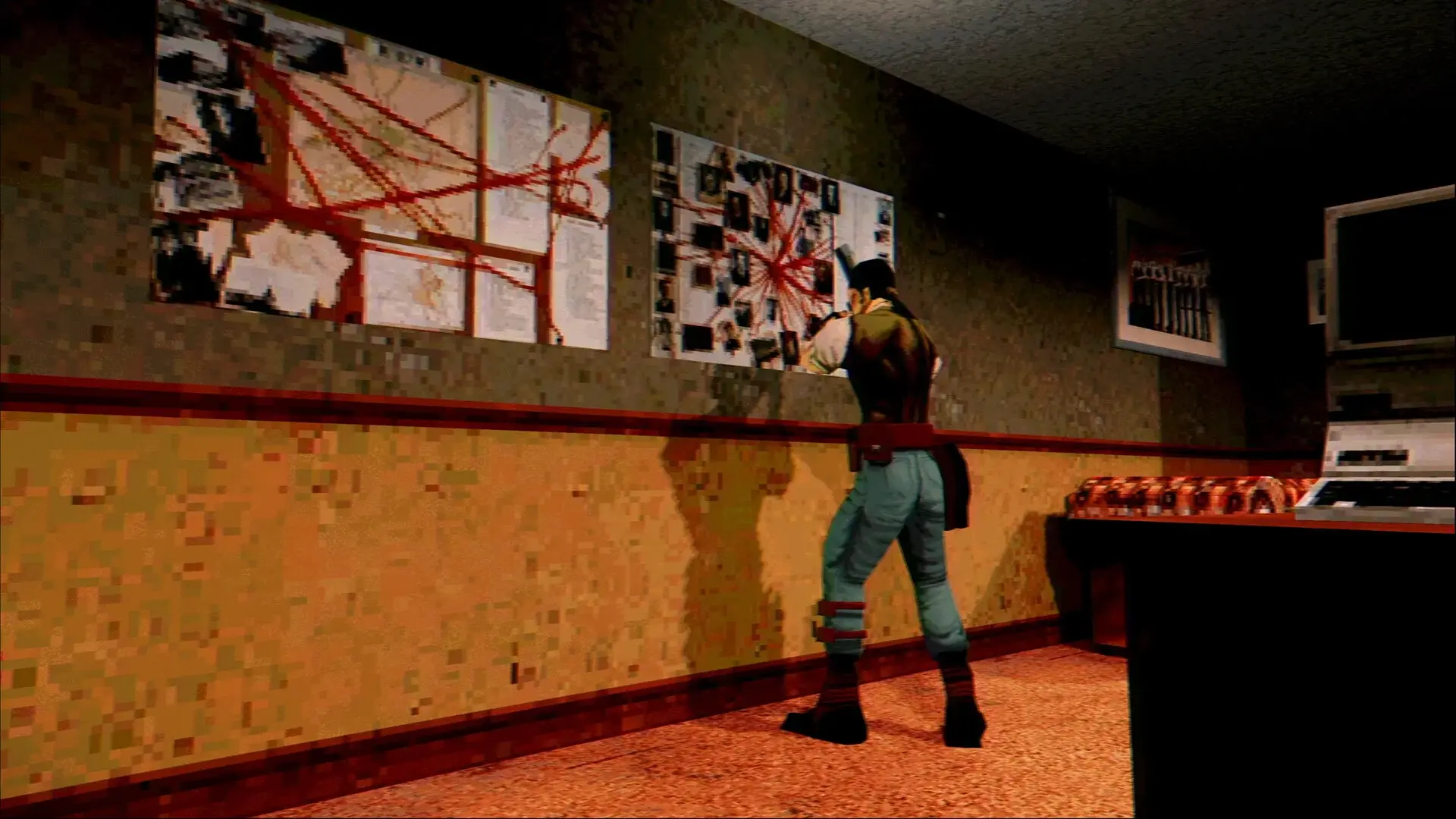
Never heard of this (probably because the only console I ever had was the Sega Mega Drive which was abandoned after we got a PC), surprised to hear it was made by DMA Design. DMA Design were revolutionary in the 90s; GTA2 is one of my favourite games (I like GTA3 a lot too).
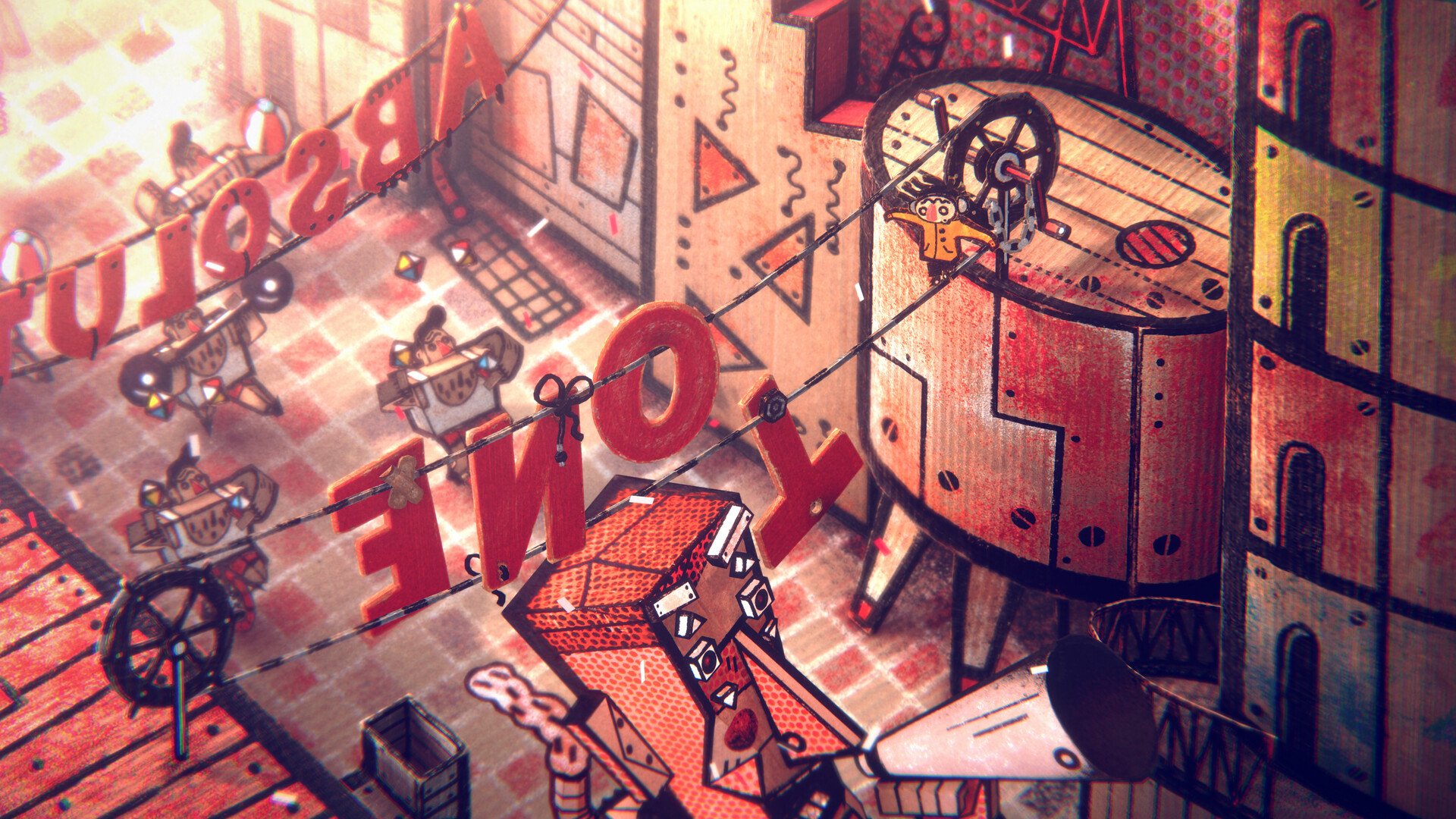
Heading screenshot looks beautiful!

Fwiw, for non serious writing, I’ve been using the “x” form since I was teenager.
For Threadi headlines, it’s a useful space saving measure since the title has a limited number of characters.
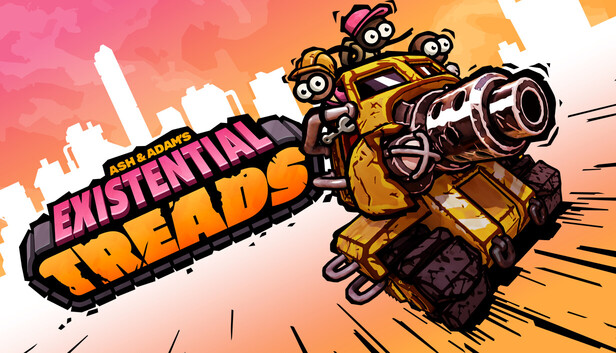
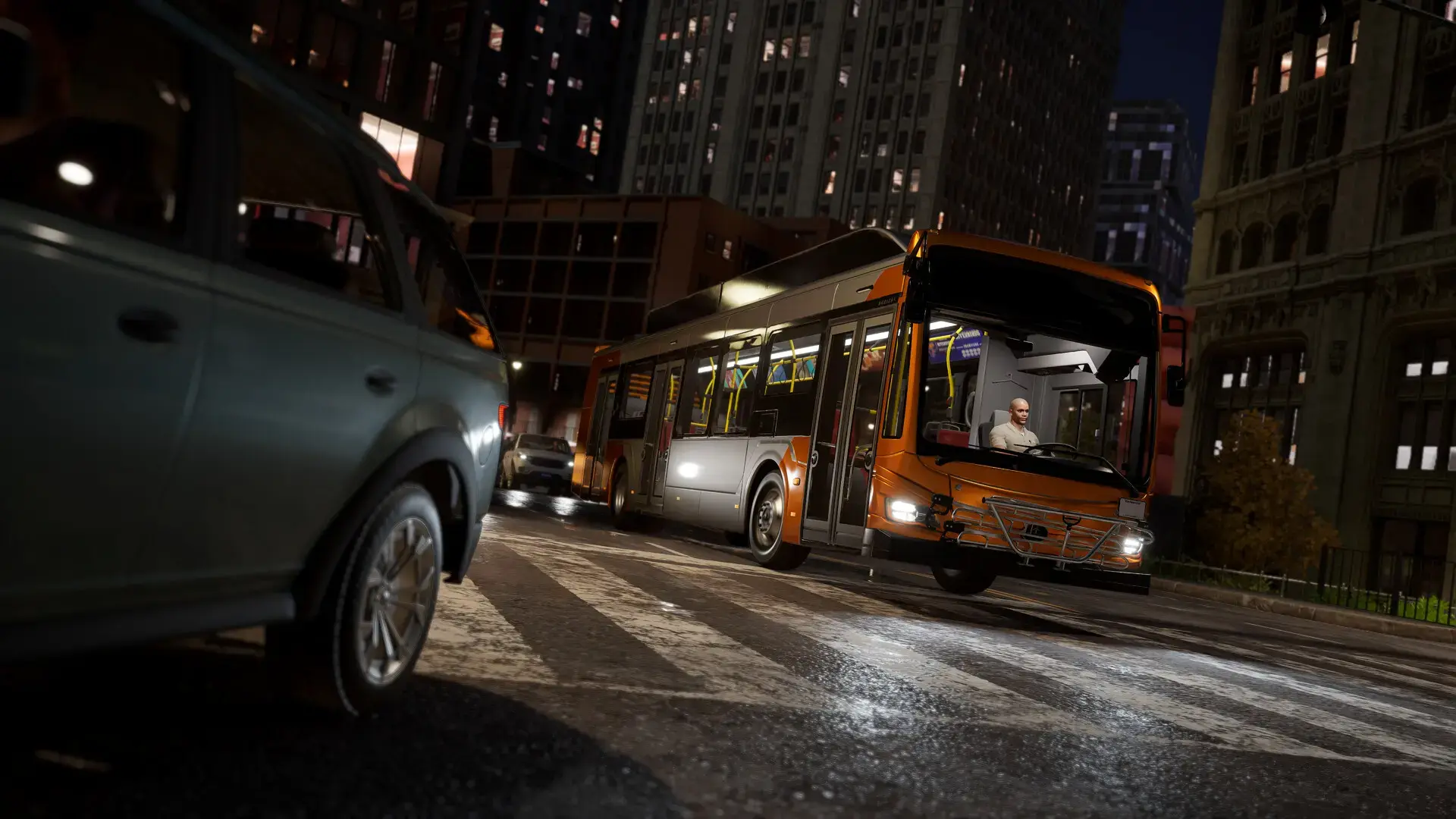
I haven’t played it, but from the let’s play it looked closer to something like They Are Billions than a classical tower defence game. I would say the RTS elements may be somewhat more pronounced than in They Are Billions.
I wouldn’t discount this as a pure (classical?) tower defence game.
 5·1 month ago
In video game terms, I think the 90s can be referred to as a classical period of sorts (at least on PC). 2000 is right at the tail end of the period though.
Vast majority of PC-focused genre were created (or refined in to their current forms) sometime between the tail end of the 80s and the end of the millennium.
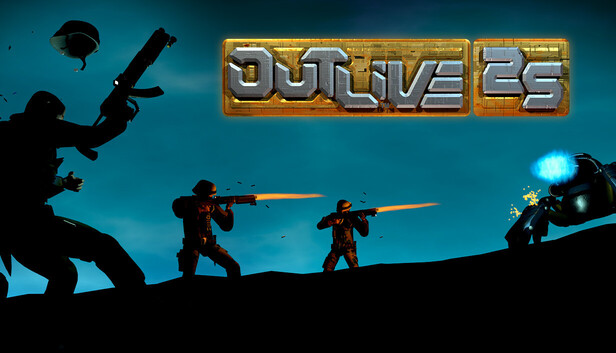
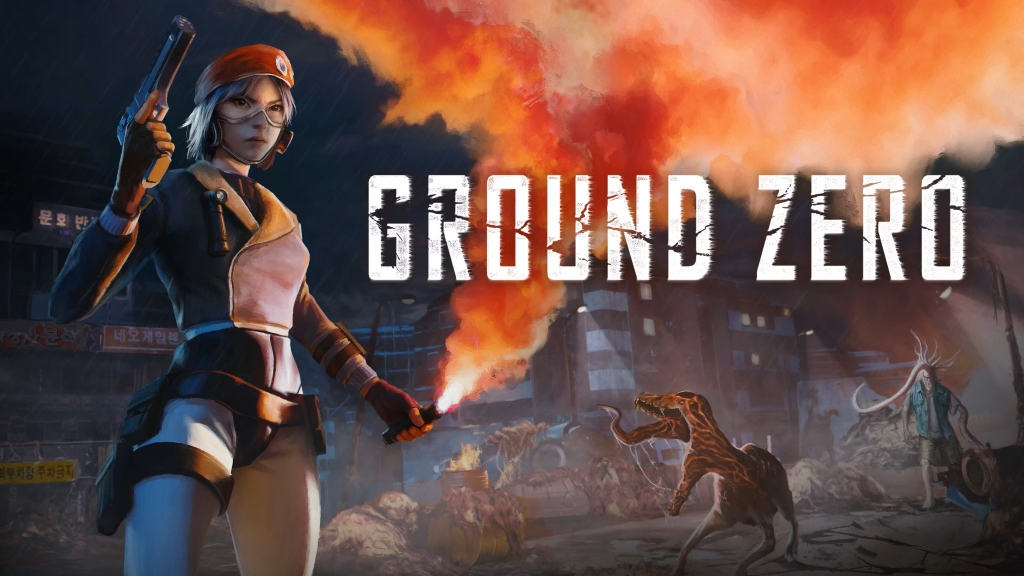
It’s one of those (relatively) well known indie success stories. Not at the level of say Stardew Valley, but in the same category.
The game is good example of how people look for different experiences in gaming.

Star Citizen is the perfect example of why NFTs do not have good use cases.
But there is no good reason for CIG to deal with the extra headache of adding NFTs on top. It’s just more cost, risk and UX complexities (let’s for the sake of argument forget about regulatory issues) for no gain.

If you are OK with historical city-builders, the campaigns for Caesar III, Pharaoh and Zeus/Poseidon, are largely level-focused. They are available on GOG and there is a really nice modern engine for Caesar III.
Based on feedback and discussion that I’ve seen (I haven’t tried it yet), Microlandia seems to mostly fit your request in a modern city-builder:
https://store.steampowered.com/app/4094120/Microlandia/
Might also be worth checking out Urbek City Builder (also modern).
https://store.steampowered.com/app/1411740/Urbek_City_Builder/
I have played UCB and it does have a bigger focus on neighbourhoods and types of commercial/industrial areas. I felt that the tutorial makes it seem like it’s not a city-builder, it very much is and with it’s own game design approach.
You can play it as a Metropolis city-builder too, but there can be some annoyances with this approach (I had to design blocks for certain things for space efficiency, some blocks are available in the guide section on steam).
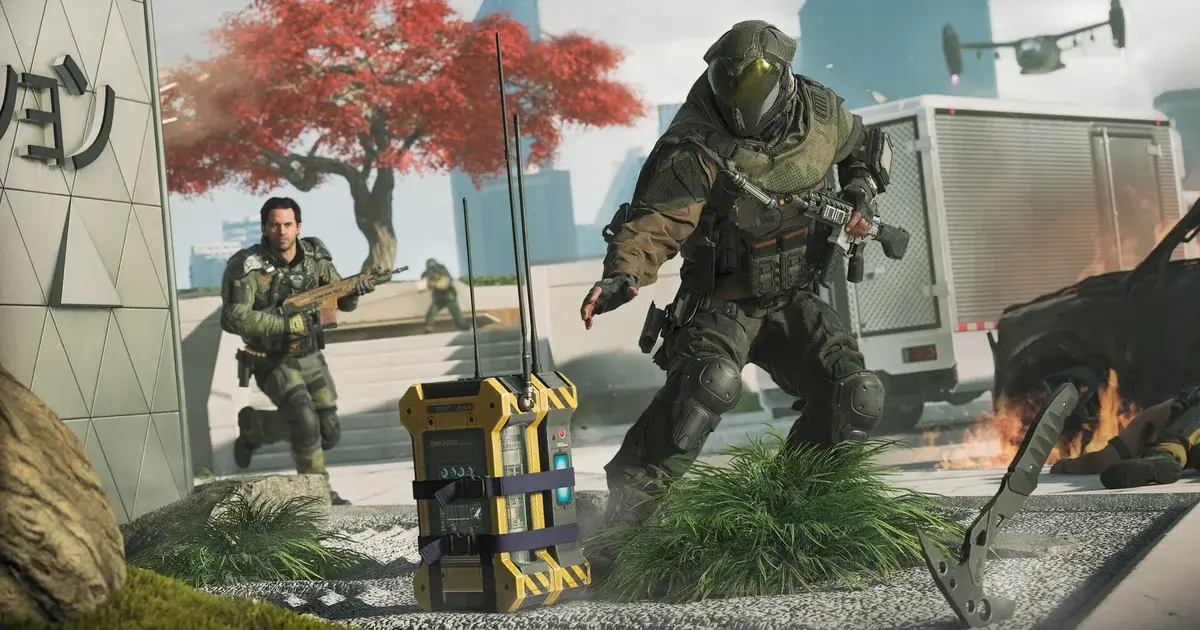
I feel like they will eventually backtrack in this.
It’s not 2002 when PS2 was truly dominant across the video game market as a whole. Now you have mobile, Roblox, Fortnite, a giant selection of pretty cheap indie titles on PC, things are a lot more competitive.
I don’t see the satire in the game itself, you got to have a satire concept beyond some random assets and random map.
Have the map structured as a US style suburban community, bunch of fast food lying around the suburb.
This is just some random assets and an FPS map. I am assuming there are no custom models or textures. Strange “game”.
Depends on the genre:
RPGs: Strong writing and/or world building is a must. I prefer when both are done well, but just strong world building with ok writing works too (more often than not writing us weaker). For me the point of an RPG is to explore a world and try different playstyles, factions and narrative. I enjoy reading in-game texts that provide lore backgrounds, but also minor clues and subtle opportunities to define your strategy.
Strategy/Tycoon/City-builder:
Story and writing are not needed. These are sandbox games, the point is to try different strategies, build your own designs and so on.
I usually don’t bother with campaigns for these types of games and just pick the largest map possible in sandbox. I did like the Cities in Motion 1 campaign though.
In 30 years of being a huge fan of these genres, I can’t really think of a Tycoon or Economic Strategy where the story was memorable.
One caveat is that if the game is set in a fantasy/sci-fi setting, sometimes strong world building is important, but it depends on the details of the gameplay.
In some cases, the most generic space/fantasy setting is fine, in other cases like with Vagrus, a trading game x RPG hybrid, the relatively unique grimdark fantasy world is a key part of what makes the game great.
Got it! )
To be honest, I don’t think the indie gaming scene will ever fully transition to his model even in the worst case scenario.
The market is basically large enough that it can support a niche being independent in terms of channel fulfilment and avoidance of console style exclusivety.
Not to mention video games are arguably much more competitive than movies or streaming shows. Often people look to a specific production with shows and movies, with games, new franchises can often build upon and expand upon existing gameplay models.
Not that I think the subscription model is good, but it is clear that there is a segment of the market that prefers this delivery approach.

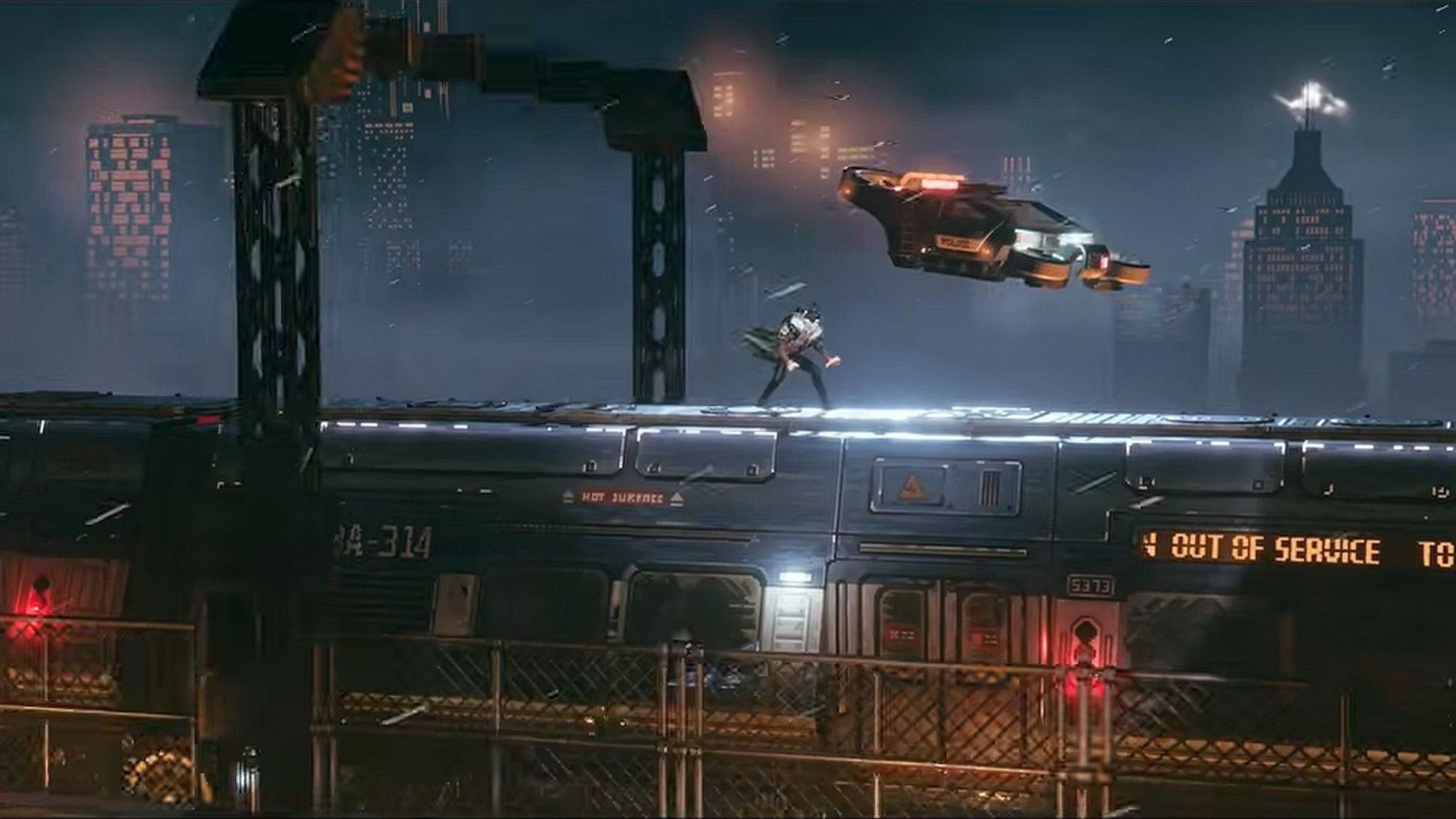
Don’t get it.

It’s a great game, I have 250+ hours in it.
You can also mod the game to support larger maps (you’ll also need to expand the support structure limit and elevator speed).
I think have even done 400 story towers.
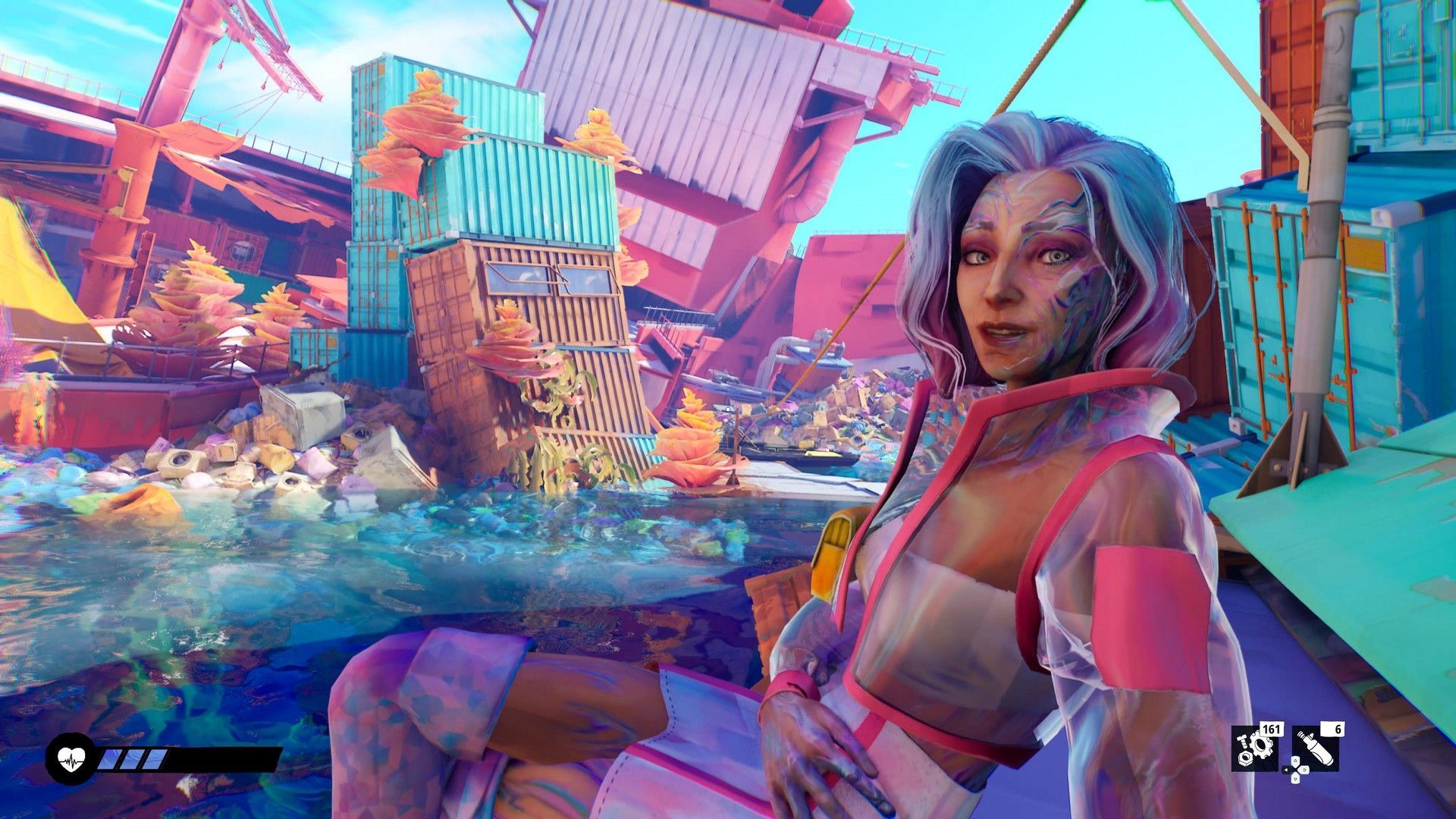
CIG shares stats from which you can derives their average concurrency; it’s about 5,000 average for 2025. So somewhere ranked #150-200 in the Steam concurrency rankings (which often exclude MMOs and/or 1st party launchers).