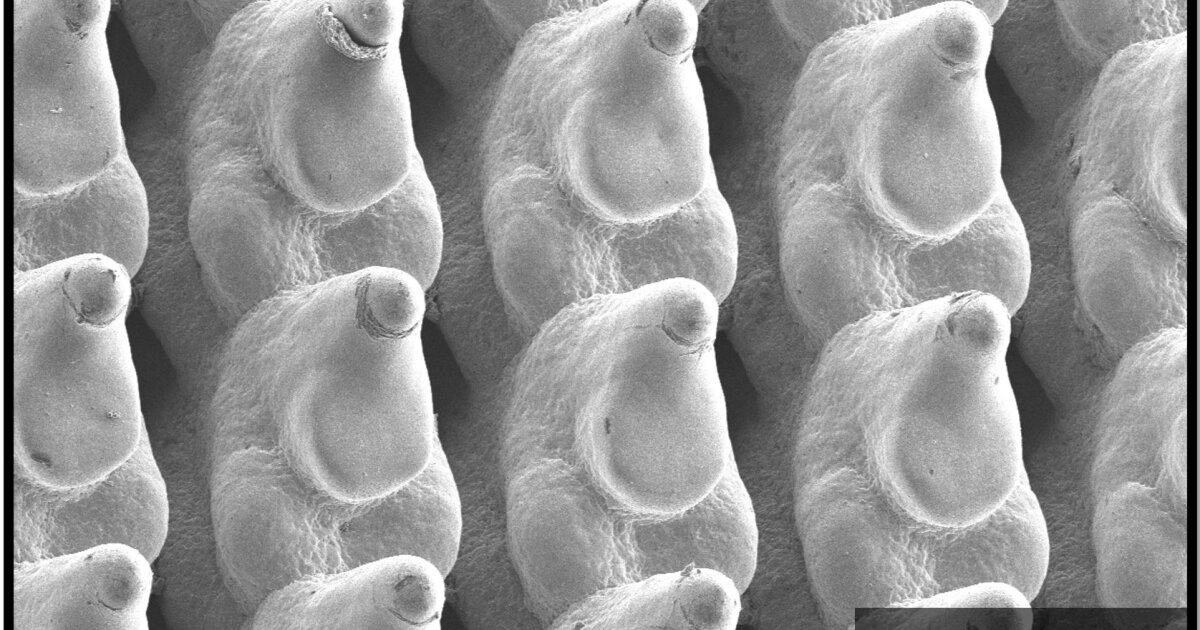
Army of Meth-heads defeats Skynet. This is how we win
The more guards they need the less profitable they are
In 2025, data centers consumed 485 TWh of electricity. Thirty percent of that, more than the entire annual power consumption of Sweden, went to cooling. Scientists have developed a 3D-printed copper-plate cooling tech that can slash this figure by over 90%!
The first paragraph is not what the title says.
The numbers in that article just make no sense and the headline is just straight nonsense. Cooling does not reduce the power demand by the GPU in any way at all, they can at best reduce the energy that goes into cooling. For their worst case comparison to a traditional air cooling they report an overhead of 55% related to GPU wattage. Even if you reduce cooling energy demand by 100%, that is a reduction of combined GPU and cooling wattage by about 33%. But the whole equation is nonsense. Modern high performance server GPUs are not air cooled, they are already liquid cooled. There is an improvement towards existing liquid cooling systerms according to the researchers claims but the improvement is 32% better cooling performance and 68% less pressure drop. So if that can be fully translated we are talking about a reduction of cooling energy demand by 80%. Impressive but calculating back, the article claims that the new system would have only a cooling overhead of 1.1% (instead of those 55% with air cooling), so the traditional liquid cooling would be then ~6% (5-times higher).
So that is an energy reduction of GPU-wattage+cooling wattage of 4-5%, not 90%
At the data-center scale where air-cooling still dominates, the team estimated that a 1 GW facility using conventional air cooling could require roughly 550 MW of additional power dedicated to cooling infrastructure alone. By contrast, their optimized liquid-cooling approach would reduce that cooling overhead to around 11 MW.
they are high with these claims, if anything they’ll save some 11MW on the pumps at best