Beginning next month, drivers between the ages of 79 and 86 in Illinois will no longer have to take mandatory behind-the-wheel driving tests to renew their licenses.
According to the article, they bumped up the age for the driving test to 87. Drivers 79 to 86 just have to renew in person and take a vision test.
As for the deeper why, I think its pretty complex, but the short answer is probably that it’s easier and cheaper for governance. I imagine it’s simpler to throw the book at a driver after they mow down a kindergarten classroom than to navigate journalist interviews about why people of a certain age are having more trouble surviving because of a thing the government did to them.
Some alternatives would include increasing driving standards and having periodic tests, investing in public transportation so people aren’t effectively trapped if they lose the ability to drive, funding more social outreach programs for those who can’t drive, etc.
It’s all just time and money that governments don’t want to spend because it could be career suicide if their politician’s donors don’t like the resultant taxes. That little fact is the root of a lot more and bigger issues than just dangerous drivers.
States and local politics historically were not driven by political donors. We’re starting to see that change this election cycle with some bonkers money pouring into primaries, but that’s definitely not the normal.
So laws like this aren’t about donors; they’re about voters. Retirees are the largest and most active voting block in state and local elections. Young people don’t turn up in the same numbers for mid-term and especially off-year elections, but old people always show up. You don’t win elections by taking privileges away from the only people casting ballots.


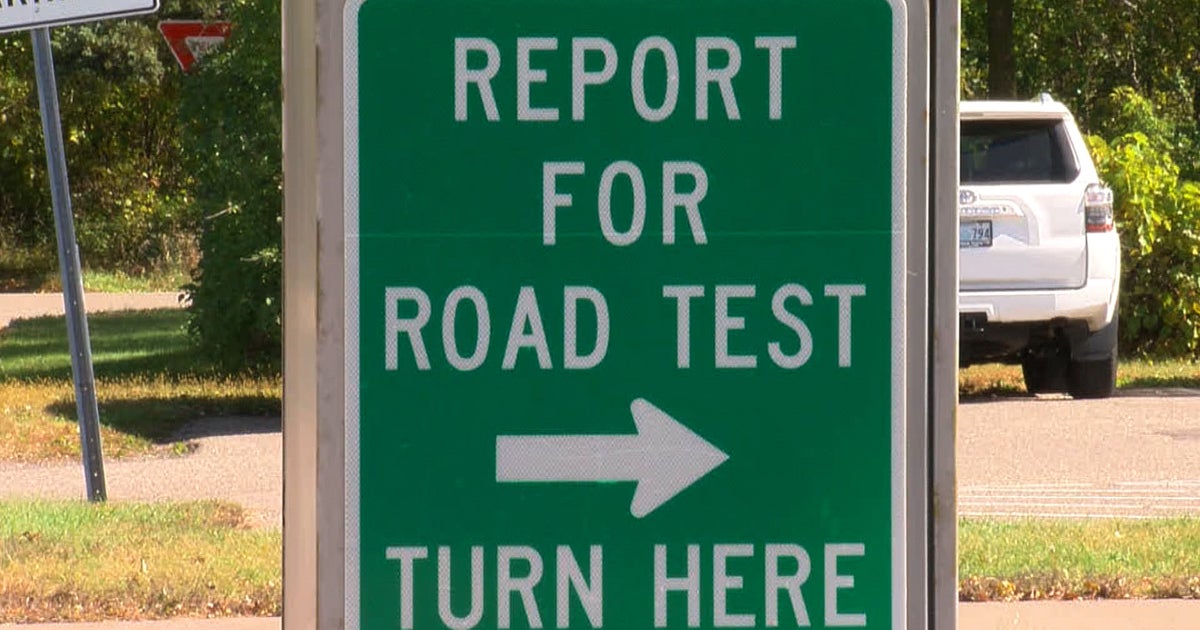
According to the article, they bumped up the age for the driving test to 87. Drivers 79 to 86 just have to renew in person and take a vision test.
As for the deeper why, I think its pretty complex, but the short answer is probably that it’s easier and cheaper for governance. I imagine it’s simpler to throw the book at a driver after they mow down a kindergarten classroom than to navigate journalist interviews about why people of a certain age are having more trouble surviving because of a thing the government did to them.
Some alternatives would include increasing driving standards and having periodic tests, investing in public transportation so people aren’t effectively trapped if they lose the ability to drive, funding more social outreach programs for those who can’t drive, etc.
It’s all just time and money that governments don’t want to spend because it could be career suicide if their politician’s donors don’t like the resultant taxes. That little fact is the root of a lot more and bigger issues than just dangerous drivers.
States and local politics historically were not driven by political donors. We’re starting to see that change this election cycle with some bonkers money pouring into primaries, but that’s definitely not the normal.
So laws like this aren’t about donors; they’re about voters. Retirees are the largest and most active voting block in state and local elections. Young people don’t turn up in the same numbers for mid-term and especially off-year elections, but old people always show up. You don’t win elections by taking privileges away from the only people casting ballots.