All im taking away from this is that nature will level the playing field for intelligence for meatheads late in life🤣 /s
:-D
Can somebody weigh in on the quality of the study? Historically, Creatine research has reportedly been very biased.
There is no study. It’s a review in a journal I have never heard of. The article references a review, a clinical trial ongoing, a podcast and a meta analysis paper.
Creatine is not really bioavailable and subject to a pile of bad research that claims it treats everything. When it doesn’t work in real trials, they blame dose. Hundreds of papers from second and third rate sports nutrition labs all funded by supplements makers. Then, there are hundreds of meta analysis papers that summarize shit science and call it consensus. Jabroni science.
Any supplements that claim to treat >30 conditions are a red flag. But this is how you sell to brahs. No, I don’t even lift.
The first study cited in the article, a meta study in cognition, alzheimer’s, sleep deprivation, traumatic brain injury, and depression notes:
DC has conducted industry-sponsored research involving creatine supplementation and received creatine donations for scientific studies and travel support and speaking honoraria for presentations involving creatine supplementation at scientific conferences and on social media. In addition, DC serves on the Scientific Advisory Board for Alzchem and Create (companies that manufacture creatine products) and as an expert witness/consultant in legal cases involving creatine supplementation. NF declares no conflicts of interest
The comments section on hacker news already has some rundowns, generally it looks low quality and then the reporting is taking unwarranted liberties on top of it. The supplement industry is desperate to get people to buy this dumb powder since it costs pennies to produce.
The funniest thing to me about the recent push to convince people to take it for their brain health is that they’re recommending 25+ grams a day for it, which is five times the standard recommendation. That’s the world we’re heading towards, paying $60 a month for your subscription to “higher cognitive functioning” based on studies that didn’t even have a placebo group lol
Which study are you referring to?
For additional information on the topic, interested individuals could peruse Examine.com’s post on the topic (https://examine.com/supplements/creatine/?show_conditions=true) “Creatine is among the most well-studied and effective supplements for improving exercise performance. It does this mainly by increasing energy availability during high-intensity activity. Creatine may also provide cognitive and mental health benefits in some contexts.”
You’re about 7 comments deep on this post and what, just refreshing to make sure you have the opportunity to correct the record with people who aren’t even replying to you?
Like I said I am referring to the HN discussion that was linked, go take it up with them if you’re in the mood to proselytize. Or go take it up with the many researches who have confirmed creatine’s borderline uselessness. There’s actually a post in my recent comment history w/ a meta analysis link if you want to go check it out. Do me a favor and make a top level comment somewhere else if you want to respond to it, based on your behavior in this thread I’m not interested in discussing it with you personally
Don’cha just love it when someone asks a small uncomplicated question? Could you be more specific regarding your question? Can you cite sources regarding creatine research being biased? In what directions?
The post above cites three articles and a podcast:
Sources:
-
Comprehensive brain review (Journal of Psychiatry and Brain Science, 2025) Candow, D., Fabiano, N. Creatine Supplementation: More Is Likely Better for Brain Bioenergetics, Health and Function. Journal of Psychiatry and Brain Science, 2025; 10. https://jpbs.hapres.com/htmls/JPBS_1766_Detail.html
-
CABA pilot trial (Alzheimer’s & Dementia: TRCI, 2025) Smith, A.N., Choi, I.Y., Lee, P., Sullivan, D.K., Burns, J.M., Swerdlow, R.H., et al. Creatine monohydrate pilot in Alzheimer’s: Feasibility, brain creatine, and cognition. Alzheimer’s & Dementia: Translational Research & Clinical Interventions, 2025; 11(2): e70101. DOI: 10.1002/trc2.70101 https://alz-journals.onlinelibrary.wiley.com/doi/10.1002/trc2.70101
-
Cognitive meta-analysis (Frontiers in Nutrition, 2024) Xu, C., Bi, S., Zhang, W., Luo, L. The effects of creatine supplementation on cognitive function in adults: a systematic review and meta-analysis. Frontiers in Nutrition, 2024; 11: 1424972. DOI: 10.3389/fnut.2024.1424972 https://www.frontiersin.org/journals/nutrition/articles/10.3389/fnut.2024.1424972/full
and a podcast:
- Creatine and depression adjunct (2025) Sherpa, et al. Creatine as add-on to cognitive behavioral therapy for depression. 2025. https://www.psychiatrypodcast.com/psychiatry-psychotherapy-podcast/episode-238-creatine-mental-health-benefits
Citations from the podcast: References:
Adhihetty, P. J., & Beal, M. F. (2008). Creatine and its potential therapeutic value for targeting cellular energy impairment in neurodegenerative diseases. Neuromolecular medicine, 10(4), 275–290. https://doi.org/10.1007/s12017-008-8053-y
Ahn, N., Leem, Y. H., Kato, M., & Chang, H. (2016). Effects of creatine monohydrate supplementation and exercise on depression-like behaviors and raphe 5-HT neurons in mice. Journal of Exercise Nutrition & Biochemistry, 20(3), 24–31. https://doi.org/10.20463/jenb.2016.09.20.3.4
Amital, D., Vishne, T., Roitman, S., Kotler, M., & Levine, J. (2006a). Open Study of Creatine Monohydrate in Treatment-Resistant Posttraumatic Stress Disorder. The Journal of Clinical Psychiatry, 67(5), 836–837. https://doi.org/10.4088/jcp.v67n0521c
Amital, D., Vishne, T., Rubinow, A., & Levine, J. (2006b). Observed effects of creatine monohydrate in a patient with depression and fibromyalgia. American Journal of Psychiatry, 163(10), 1840-1841. https://doi.org/10.1176/ajp.2006.163.10.1840b
Arksey, H., & O’Malley, L. (2005). Scoping Studies: Towards a Methodological Framework. International Journal of Social Research Methodology: Theory & Practice, 8(1), 19–32. https://doi.org/10.1080/1364557032000119616
Attwell, D., & Laughlin, S. B. (2001). An energy budget for signaling in the grey matter of the brain. Journal of cerebral blood flow and metabolism : official journal of the International Society of Cerebral Blood Flow and Metabolism, 21(10), 1133–1145. https://doi.org/10.1097/00004647-200110000-00001
Avgerinos, K. I., Spyrou, N., Bougioukas, K. I., & Kapogiannis, D. (2018). Effects of creatine supplementation on cognitive function of healthy individuals: A systematic review of randomized controlled trials. Experimental gerontology, 108, 166-173. https://doi.org/10.1016/j.exger.2018.04.013
Chen, Y., & Zhang, J. (2021). How energy supports our brain to yield consciousness: Insights from neuroimaging based on the neuroenergetics hypothesis. Frontiers in Systems Neuroscience, 15, 648860. https://doi.org/10.3389/fnsys.2021.648860
Dedeoglu, A., Kubilus, J. K., Yang, L., Ferrante, K. L., Hersch, S. M., Beal, M. F., & Ferrante, A. R. J. (2003). Creatine therapy provides neuroprotection after onset of clinical symptoms in Huntington’s disease transgenic mice. Journal of Neurochemistry, 85(6), 1359–1367. https://doi.org/10.1046/j.1471-4159.2003.01706.x
Fabiano, N., & Stubbs, B. (2025). Creatine as a treatment for depression: A brain bioenergetics perspective. European Neuropsychopharmacology, 96, 3-4. https://doi.org/10.1016/j.euroneuro.2025.03.014
Faulkner, P., Paioni, S. L., Kozhuharova, P., Orlov, N., Lythgoe, D. J., Daniju, Y., Morgenroth, E., Barker, H., & Allen, P. (2021). Relationship between depression, prefrontal creatine and grey matter volume. Journal of Psychopharmacology, 35(12), 1464–1472. https://doi.org/10.1177/02698811211050550
Forbes, S. C., Cordingley, D. M., Cornish, S. M., Gualano, B., Roschel, H., Ostojic, S. M., Rawson, E. S., Roy, B. D., Prokopidis, K., Giannos, P., & Candow, D. G. (2022). Effects of Creatine Supplementation on Brain Function and Health. Nutrients, 14(5), 921. https://doi.org/10.3390/nu14050921
and: References:
Adhihetty, P. J., & Beal, M. F. (2008). Creatine and its potential therapeutic value for targeting cellular energy impairment in neurodegenerative diseases. Neuromolecular medicine, 10(4), 275–290. https://doi.org/10.1007/s12017-008-8053-y
Ahn, N., Leem, Y. H., Kato, M., & Chang, H. (2016). Effects of creatine monohydrate supplementation and exercise on depression-like behaviors and raphe 5-HT neurons in mice. Journal of Exercise Nutrition & Biochemistry, 20(3), 24–31. https://doi.org/10.20463/jenb.2016.09.20.3.4
Amital, D., Vishne, T., Roitman, S., Kotler, M., & Levine, J. (2006a). Open Study of Creatine Monohydrate in Treatment-Resistant Posttraumatic Stress Disorder. The Journal of Clinical Psychiatry, 67(5), 836–837. https://doi.org/10.4088/jcp.v67n0521c
Amital, D., Vishne, T., Rubinow, A., & Levine, J. (2006b). Observed effects of creatine monohydrate in a patient with depression and fibromyalgia. American Journal of Psychiatry, 163(10), 1840-1841. https://doi.org/10.1176/ajp.2006.163.10.1840b
Arksey, H., & O’Malley, L. (2005). Scoping Studies: Towards a Methodological Framework. International Journal of Social Research Methodology: Theory & Practice, 8(1), 19–32. https://doi.org/10.1080/1364557032000119616
Attwell, D., & Laughlin, S. B. (2001). An energy budget for signaling in the grey matter of the brain. Journal of cerebral blood flow and metabolism : official journal of the International Society of Cerebral Blood Flow and Metabolism, 21(10), 1133–1145. https://doi.org/10.1097/00004647-200110000-00001
Avgerinos, K. I., Spyrou, N., Bougioukas, K. I., & Kapogiannis, D. (2018). Effects of creatine supplementation on cognitive function of healthy individuals: A systematic review of randomized controlled trials. Experimental gerontology, 108, 166-173. https://doi.org/10.1016/j.exger.2018.04.013
Chen, Y., & Zhang, J. (2021). How energy supports our brain to yield consciousness: Insights from neuroimaging based on the neuroenergetics hypothesis. Frontiers in Systems Neuroscience, 15, 648860. https://doi.org/10.3389/fnsys.2021.648860
Dedeoglu, A., Kubilus, J. K., Yang, L., Ferrante, K. L., Hersch, S. M., Beal, M. F., & Ferrante, A. R. J. (2003). Creatine therapy provides neuroprotection after onset of clinical symptoms in Huntington’s disease transgenic mice. Journal of Neurochemistry, 85(6), 1359–1367. https://doi.org/10.1046/j.1471-4159.2003.01706.x
Fabiano, N., & Stubbs, B. (2025). Creatine as a treatment for depression: A brain bioenergetics perspective. European Neuropsychopharmacology, 96, 3-4. https://doi.org/10.1016/j.euroneuro.2025.03.014
Faulkner, P., Paioni, S. L., Kozhuharova, P., Orlov, N., Lythgoe, D. J., Daniju, Y., Morgenroth, E., Barker, H., & Allen, P. (2021). Relationship between depression, prefrontal creatine and grey matter volume. Journal of Psychopharmacology, 35(12), 1464–1472. https://doi.org/10.1177/02698811211050550
Forbes, S. C., Cordingley, D. M., Cornish, S. M., Gualano, B., Roschel, H., Ostojic, S. M., Rawson, E. S., Roy, B. D., Prokopidis, K., Giannos, P., & Candow, D. G. (2022). Effects of Creatine Supplementation on Brain Function and Health. Nutrients, 14(5), 921. https://doi.org/10.3390/nu14050921
Gordji-Nejad, A., Matusch, A., Kleedörfer, S., Patel, H. J., Drzezga, A., Elmenhorst, D., Binkofski, F., & Bauer, A. (2024). Single dose creatine improves cognitive performance and induces changes in cerebral high energy phosphates during sleep deprivation. Scientific Reports, 14, 4937. https://doi.org/10.1038/s41598-024-54249-9
Hellem, T. L., Sung, Y.-H., Shi, X.-F., Pett, M. A., Latendresse, G., Morgan, J., Huber, R. S., Kuykendall, D., Lundberg, K. J., & Renshaw, P. F. (2015). A pilot study of creatine as a novel treatment for depression in methamphetamine using females. Journal of Dual Diagnosis, 11(3–4), 189–195. https://doi.org/10.1080/15504263.2015.1100471
Hoskins, M., Pearce, J., Bethell, A., Dankova, L., Barbui, C., Tol, W. A., van Ommeren, M., de Jong, J., Seedat, S., Chen, H., & Bisson, J. I. (2015). Pharmacotherapy for post-traumatic stress disorder: systematic review and meta-analysis. The British journal of psychiatry : the journal of mental science, 206(2), 93–100. https://doi.org/10.1192/bjp.bp.114.148551
Howes, O. D., Thase, M. E., & Pillinger, T. (2022). Treatment resistance in psychiatry: state of the art and new directions. Molecular Psychiatry, 27(1), 58-72. https://doi.org/10.1038/s41380-021-01200-3
Joo, P., Lee, H., Wang, S., Kim, S., & Hudetz, A. G. (2021). Network Model With Reduced Metabolic Rate Predicts Spatial Synchrony of Neuronal Activity. Frontiers in computational neuroscience, 15, 738362. https://doi.org/10.3389/fncom.2021.738362
Juneja, K., Bhuchakra, H. P., Sadhukhan, S., Mehta, I., Niharika, A., Thareja, S., Nimmakayala, T., & Sahu, S. (2024). Creatine Supplementation in Depression: A Review of Mechanisms, Efficacy, Clinical Outcomes, and Future Directions. Cureus, 16(10), e71638. https:/
Kaptsan, A., Odessky, A., Osher, Y., & Levine, J. (2007). Lack of efficacy of 5 grams daily of creatine in schizophrenia: a randomized, double-blind, placebo-controlled trial. Journal of Clinical Psychiatry, 68(6), 881-884. https://doi.org/10.4088/jcp.v68n0609
Kious, B. M., Sabic, H., Sung, Y. H., Kondo, D. G., & Renshaw, P. (2017). An open-label pilot study of combined augmentation with creatine monohydrate and 5-hydroxytryptophan for selective serotonin reuptake inhibitor–or serotonin-norepinephrine reuptake inhibitor–resistant depression in adult women. Journal of clinical psychopharmacology, 37(5), 578-583. https://doi.org/10.1097/JCP.0000000000000754
Kondo, D. G., Sung, Y. H., Hellem, T. L., Fiedler, K. K., Shi, X., Jeong, E. K., & Renshaw, P. F. (2011). Open-label adjunctive creatine for female adolescents with SSRI-resistant major depressive disorder: a 31-phosphorus magnetic resonance spectroscopy study. Journal of affective disorders, 135(1-3), 354-361. https://doi.org/10.1016/j.jad.2011.07.010
Kondo, D. G., Forrest, L. N., Shi, X., Sung, Y. H., Hellem, T. L., Huber, R. S., & Renshaw, P. F. (2016). Creatine target engagement with brain bioenergetics: a dose-ranging phosphorus-31 magnetic resonance spectroscopy study of adolescent females with SSRI-resistant depression. Amino Acids, 48, 1941-1954. https://doi.org/10.1007/s00726-016-2194-3
Krahe, R., & Gabbiani, F. (2004). Burst firing in sensory systems. Nature Reviews Neuroscience, 5(1), 13–23. https://doi.org/10.1038/nrn1296
Leichsenring, F., Steinert, C., Rabung, S., & Ioannidis, J. P. A. (2022). The efficacy of psychotherapies and pharmacotherapies for mental disorders in adults: an umbrella review and meta-analytic evaluation of recent meta-analyses. World psychiatry : official journal of the World Psychiatric Association (WPA), 21(1), 133–145. https://doi.org/10.1002/wps.20941
Levental, U., Bersudsky, Y., Dwalatzky, T., Lerner, V., Medina, S., & Levine, J. (2015). A pilot open study of long term high dose creatine augmentation in patients with treatment resistant negative symptoms schizophrenia. Israel Journal of Psychiatry, 52(1), 6. https://pubmed.ncbi.nlm.nih.gov/25841104/
Lyoo, I. K., Yoon, S., Kim, T. S., Hwang, J., Kim, J. E., Won, W., Bae, S., & Renshaw, P. F. (2012). A randomized, double-blind placebo-controlled trial of oral creatine monohydrate augmentation for enhanced response to a selective serotonin reuptake inhibitor in women with major depressive disorder. The American journal of psychiatry, 169(9), 937–945. https://doi.org/10.1176/appi.ajp.2012.12010009
Mason, S. (2017). Lactate shuttles in neuroenergetics—Homeostasis, allostasis and beyond. Frontiers in Neuroscience, 11, 43. https://doi.org/10.3389/fnins.2017.00043
McMorris, T., Harris, R. C., Swain, J., Corbett, J., Collard, K., Dyson, R. J., Dye, L., Hodgson, C., & Draper, N. (2006). Effect of creatine supplementation and sleep deprivation, with mild exercise, on cognitive and psychomotor performance, mood state, and plasma concentrations of catecholamines and cortisol. Psychopharmacology, 185(1), 93–103. https://doi.org/10.1007/s00213-005-0269-z
McMorris, T., Harris, R. C., Howard, A. N., Langridge, G., Hall, B., Corbett, J., Dicks, M., & Hodgson, C. (2007). Creatine supplementation, sleep deprivation, cortisol, melatonin and behavior. Physiology & Behavior, 90(1), 21–28. https://doi.org/10.1016/j.physbeh.2006.08.024
Miller, E. (2022, October 15). Metabolic pathways explained. Cleveland Clinic. https://health.clevelandclinic.org/metabolic-pathways-metabolic-conditioning
Munn, Z., Pollock, D., Khalil, H., Alexander, L., Mclnerney, P., Godfrey, C. M., Peters, M., & Tricco, A. C. (2022). What are scoping reviews? Providing a formal definition of scoping reviews as a type of evidence synthesis. JBI evidence synthesis, 20(4), 950–952. https://doi.org/10.11124/JBIES-21-00483
Nemets, B., & Levine, J. (2013). A pilot dose-finding clinical trial of creatine monohydrate augmentation to SSRIs/SNRIs/NASA antidepressant treatment in major depression. International clinical psychopharmacology, 28(3), 127-133. https://doi.org/10.1097/YIC.0b013e32835ff20f
Pan, J. W., & Takahashi, K. (2007). Cerebral energetic effects of creatine supplementation in humans. American Journal of Physiology-Regulatory, Integrative and Comparative Physiology, 292(4), R1745-R1750. https://doi.org/10.1152/ajpregu.00717.2006
Peters, M. D., Godfrey, C. M., Khalil, H., McInerney, P., Parker, D., & Soares, C. B. (2015). Guidance for conducting systematic scoping reviews. International journal of evidence-based healthcare, 13(3), 141–146. https://doi.org/10.1097/XEB.0000000000000050
Poortmans, J. R., & Francaux, M. (1999). Long-term oral creatine supplementation does not impair renal function in healthy athletes. Medicine and science in sports and exercise, 31(8), 1108-1110. https://doi.org/10.1097/00005768-199908000-00005
Prokopidis, K., Giannos, P., Triantafyllidis, K. K., Kechagias, K. S., Forbes, S. C., & Candow, D. G. (2023). Effects of creatine supplementation on memory in healthy individuals: a systematic review and meta-analysis of randomized controlled trials. Nutrition reviews, 81(4), 416–427. https://doi.org/10.1093/nutrit/nuac064
Roitman, S., Green, T., Osher, Y., Karni, N., & Levine, J. (2007). Creatine monohydrate in resistant depression: a preliminary study. Bipolar Disorders, 9(7), 754-758. https://doi.org/10.1111/j.1399-5618.2007.00532.x
Sherpa, N. N., De Giorgi, R., Ostinelli, E. G., Choudhury, A., Dolma, T., & Dorjee, S. (2025). Efficacy and safety profile of oral creatine monohydrate in add-on to cognitive-behavioural therapy in depression: An 8-week pilot, double-blind, randomised, placebo-controlled feasibility and exploratory trial in an under-resourced area. European Neuropsychopharmacology, 90, 28-35.https://doi.org/10.1016/j.euroneuro.2024.10.004
Smith, A. N., Morris, J. K., Carbuhn, A. F., Keller, J. E., Sullivan, D. K., & Taylor, M. K. (2023). Creatine as a therapeutic target in Alzheimer’s disease. Current Developments in Nutrition, 7(11), 102011. https://doi.org/10.1016/j.cdnut.2023.102011
Sullivan, P. G., Geiger, J. D., Mattson, M. P., & Scheff, S. W. (2000). Dietary supplement creatine protects against traumatic brain injury. Annals of neurology, 48(5), 723–729. https://pubmed.ncbi.nlm.nih.gov/11079535/
Toniolo, R. A., Fernandes, F. B. F., Silva, M., Dias, R. D. S., & Lafer, B. (2017). Cognitive effects of creatine monohydrate adjunctive therapy in patients with bipolar depression: Results from a randomized, double-blind, placebo-controlled trial. Journal of affective disorders, 224, 69–75. https://doi.org/10.1016/j.jad.2016.11.029
Toniolo, R. A., Silva, M., Fernandes, F. D. B. F., Amaral, J. A. D. M. S., Dias, R. D. S., & Lafer, B. (2018). A randomized, double-blind, placebo-controlled, proof-of-concept trial of creatine monohydrate as adjunctive treatment for bipolar depression. Journal of Neural Transmission, 125, 247-257. https://doi.org/10.1007/s00702-017-1817-5
Tricco, A. C., Lillie, E., Zarin, W., O’Brien, K. K., Colquhoun, H., Levac, D., Moher, D., Peters, M. D. J., Horsley, T., Weeks, L., Hempel, S., Akl, E. A., Chang, C., McGowan, J., Stewart, L., Hartling, L., Aldcroft, A., Wilson, M. G., Garritty, C., Lewin, S., … Straus, S. E. (2018). PRISMA Extension for Scoping Reviews (PRISMA-ScR): Checklist and Explanation. Annals of internal medicine, 169(7), 467–473. https://doi.org/10.7326/M`18-0850
Turner, C. E., Byblow, W. D., & Gant, N. (2015). Creatine supplementation enhances corticomotor excitability and cognitive performance during oxygen deprivation. The Journal of Neuroscience, 35(4), 1773–1780. https://doi.org/10.1523/JNEUROSCI.3113-14.2015
Vittengl, J. R., Clark, L. A., Smits, J. A., Thase, M. E., & Jarrett, R. B. (2019). Do comorbid social and other anxiety disorders predict outcomes during and after cognitive therapy for depression? Journal of Affective Disorders, 242, 150–158. https://doi.org/10.1016/j.jad.2018.08.036
Walsh, B., Tonkonogi, M., Söderlund, K., Hultman, E., Saks, V., & Sahlin, K. (2001). The role of phosphorylcreatine and creatine in the regulation of mitochondrial respiration in human skeletal muscle. The Journal of physiology, 537(3), 971-978.https://doi.org/10.1111/j.1469-7793.2001.00971.x
World Health Organization (WHO). (2022). Mental disorders Fact Sheet. Retrieved March 3, 2025 from https://www.who.int/news-room/fact-sheets/detail/mental-disorders
Xu, C., Bi, S., Zhang, W., & Luo, L. (2024). The effects of creatine supplementation on cognitive function in adults: A systematic review and meta-analysis. Frontiers in Nutrition, 11. https://doi.org/10.3389/fnut.2024.1424972
Yang, L., Calingasan, N. Y., Wille, E. J., Cormier, K., Smith, K., Ferrante, R. J., & Flint Beal, M. (2009). Combination therapy with coenzyme Q10 and creatine produces additive neuroprotective effects in models of Parkinson’s and Huntington’s diseases. Journal of neurochemistry, 109(5), 1427-1439. https://doi.org/10.1111/j.1471-4159.2009.06074.x
Yoon, S., Kim, J. E., Hwang, J., Kim, T. S., Kang, H. J., Namgung, E., Ban, S., Oh, S., Yang, J., Renshaw, P. F., & Lyoo, I. K. (2016). Effects of creatine monohydrate augmentation on brain metabolic and network outcome measures in women with major depressive disorder. Biological Psychiatry, 80(6), 439–447. https://doi.org/10.1016/j.biopsych.2015.11.027
-
A few things I can say, and am happy to have replies which expand or limit or clarify what I’ve said:
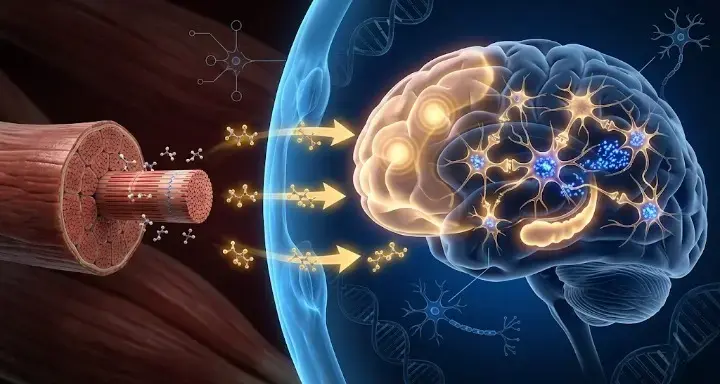
Generally speaking raising brain creatine phosphate levels comes secondary to raising muscle phosphocreatine. It has been suggested that daily 3-5g dose of creatine monohydrate will overtime, and with vigorous exercise upregulate creatine phosphate pathways in muscle, but is unlikely to raise phophocreatine levels and/or pathways inside the blood brain barrier. There appears to be no adverse effects to moderate supplementation on the kidneys in individuals without kidney (eGFR) disease. Hmm, what might one consider a moderate dose? 3-5g/d would be considered moderate amongst experts and informed individuals. Some experts might say taking 10-20g / d, in divided doses is currently considered moderate, and may be sufficient to raise phosphocreatine levels in the brain. Creatine tends to be low amongst vegans. Chicken eggs are relatively high in creatine.